
For small businesses, the concept of managing deal pipelines in a CRM can feel overwhelming—especially when it comes to deciding whether you need multiple pipelines. Some businesses resist the idea, often because their CRM doesn’t allow them to view multiple pipelines in a combined Kanban board. This issue, however, is easily resolved with dashboards and customised reports, provided your CRM has sufficient flexibility.
So, when does it make sense to split your deal pipelines?
The Case for Multiple Pipelines
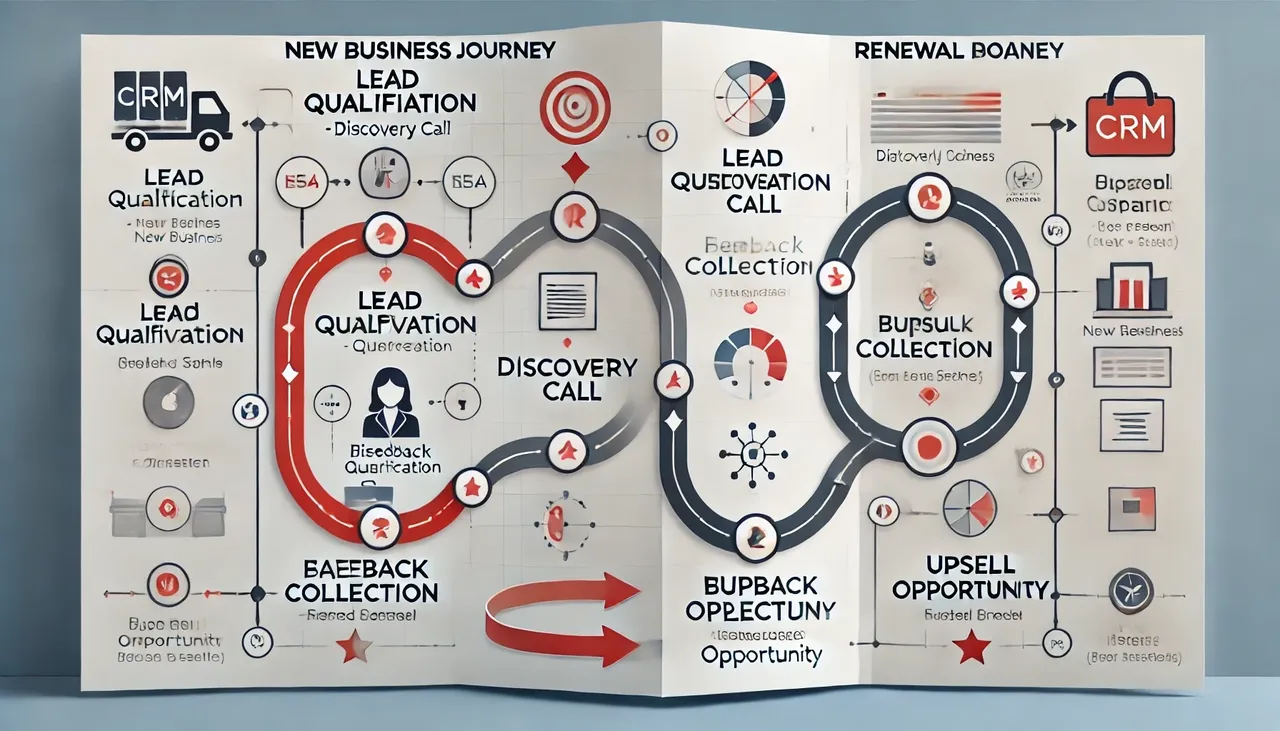
The main driver for having multiple pipelines is when the journey or process differs between types of deals. A common example is comparing the process of acquiring new business to renewing existing customers.
Why Separate Pipelines for New Business vs Renewals?
- The Stages Differ
- For new business, the early stages often include a discovery call to understand the prospect’s pain points, goals, and priorities.
- For renewals, the early stages typically focus on gathering feedback, showcasing value delivered, and pushing for an upsell opportunity.
The stages are fundamentally different, so using a single pipeline could create confusion or dilute the precision of your process.
- Automation Varies
- In new business pipelines, automations may focus on scheduling a discovery call or sending out onboarding material.
- For renewal deals, automations could trigger feedback surveys or generate performance reports to demonstrate ROI.
Tailoring automation ensures that your team isn’t sending irrelevant or mistimed communications, which could hurt your relationship with the client.
- Tracking Conversion Rates
- The conversion rate at the first stage of a new business deal will naturally be lower compared to renewals, where the customer already knows your product or service.
- By splitting pipelines, you can identify where deals are dropping off in each process and act on meaningful, pipeline-specific insights to optimise your sales strategy.
Benefits of Splitting Pipelines
- Clearer Insights: Separate pipelines allow you to pinpoint weaknesses and measure success rates more effectively.
- Enhanced Automation: By having distinct processes, you can automate the right actions at the right time for each pipeline.
- Improved Team Focus: Sales reps know exactly which process they’re following, reducing errors and inefficiencies.
- Better Forecasting: With distinct data, your forecasting for new business and renewals becomes more accurate, leading to better resource allocation.
Practical Considerations
Before creating multiple pipelines, make sure your CRM:
- Allows for customisable reporting and dashboards so you can track performance across all pipelines.
- Supports automation rules tailored to each pipeline.
- Enables visibility into all deal data without forcing teams to jump between disconnected views.
With the right setup, splitting pipelines where the journey differs isn’t just practical—it’s an essential step in optimising your sales process and driving growth.